
The Buildpath Blog
Technical writing for platform engineers: dependency graph analysis, blast radius scoring, CI integration patterns, and reliability engineering for distributed systems.

The Complete Guide to Microservice Dependency Mapping
How static analysis, API contract scanning, and runtime tracing combine to give you a live, accurate map of your service dependencies.
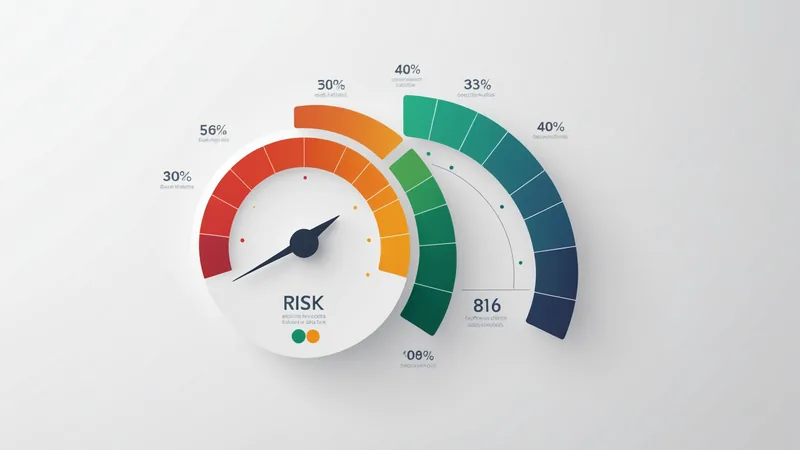
Pre-Push Risk Scoring: A Practical Guide for Platform Teams
What factors actually predict whether a code change will cause a downstream incident — and how to operationalize them as a score in your PR flow.

Integrating Dependency Graph Analysis Into Your CI Pipeline
A step-by-step walkthrough of adding dependency scanning to GitHub Actions, CircleCI, and Jenkins — with real config examples.

Deploy Coordination Across Distributed Platform Teams
When five teams share a service mesh, who owns the deploy order? How dependency visibility resolves the coordination tax at scale.

Change Impact Analysis: The Missing Layer in Platform Engineering
The difference between knowing 'what changed' and knowing 'what breaks because of what changed' — and why that gap causes most P0 incidents.

Reducing Production Incidents with Pre-Deploy Static Analysis
Static analysis catches syntax errors. Dependency analysis catches blast radius. Here's why you need both layers before any production push.

Buildpathio vs. Manual Dependency Review: What We Measured
We ran a 90-day controlled comparison: teams using manual dependency review vs. teams using automated graph scoring. The incident numbers were hard to ignore.

Dependency Management in a Monorepo: Graph Analysis at Scale
Monorepos create a dependency analysis challenge unlike split repos — every commit potentially touches hundreds of internal packages.

Building PR Risk Gates with GitHub Actions and Buildpathio
A complete walkthrough of configuring required status checks so that high-risk PRs cannot merge without a senior engineer override.

Service Mesh Telemetry as a Dependency Source of Truth
Why Istio and Linkerd telemetry — not documentation or code comments — should be the authoritative source for your service dependency graph.

A Maturity Model for Platform Engineering Teams
From 'we have Kubernetes' to 'we have a self-service internal developer platform with risk-aware deployments' — a five-stage model with practical checkpoints.
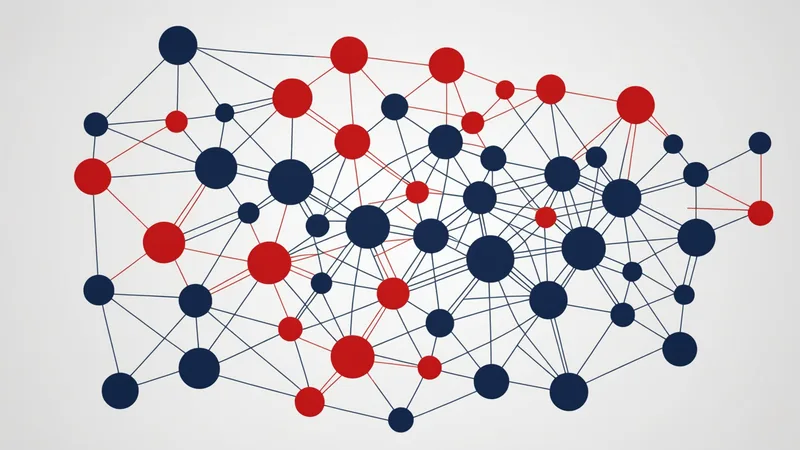
Using Dependency Graphs in Incident Postmortems
After an incident, the dependency graph becomes the forensic tool. How to use your graph to trace cascade failure paths and prevent recurrence.